
Switching From Semaglutide to Tirzepatide: How It Works
Why People Consider Switching
Semaglutide works very well for many people. But some reach a plateau, struggle with side effects or face cost and supply issues. Tirzepatide, which acts on both GLP-1 and GIP receptors, offers another option. Many patients switch successfully when guided by their provider.
Common Reasons to Switch
- Weight loss has stalled despite good habits
- Side effects remain difficult
- Insurance coverage or cost changes
- Medication availability
- A desire for potentially greater weight loss
How the Transition Usually Works
There is no official conversion formula. Typically, your provider will:
- Stop semaglutide after your last weekly dose
- Start tirzepatide on your next scheduled injection day, about a week later
- Choose a starting dose based on your current semaglutide dose and tolerance
Many people start tirzepatide at 2.5 mg or 5 mg, then increase every four weeks as tolerated. Starting low reduces the risk of side effects, although appetite may feel less controlled for a few weeks.
What to Expect After Switching
Some people notice stronger appetite control within the first few weeks, especially after dose increases. Others need time before seeing new progress. Side effects may briefly return during the first weeks or after each increase.
Tips for a Smooth Switch
- Never take both medications in the same week
- Keep eating protein and drinking water
- Track weight, waist and side effects weekly
- Report persistent nausea, vomiting or pain
- Keep up strength training

Safety Notes
Both medications carry warnings about thyroid C-cell tumors, pancreatitis and gallbladder disease. Women using oral birth control should know tirzepatide may reduce absorption, so a backup method is often advised after starting and after dose increases. The NHS weight loss guidance offers general advice on healthy loss.
Is Switching Always Necessary?
Not always. A plateau on semaglutide may respond to adjusting nutrition, activity or dose. Your provider will consider all options. Compare both drugs in our tirzepatide vs Ozempic guide.
Switching Questions
Do I need a washout period?
Usually no; most switch on the next scheduled injection day.
Will I regain weight during the switch?
Brief appetite changes may occur, but most people maintain progress.
Can I switch back?
Yes, if needed, under medical guidance.
Timing Your First Tirzepatide Dose
Plan the switch around your weekly schedule. Take your last semaglutide dose on your usual day, then start tirzepatide on the same weekday the following week. Mark the date on your calendar and set a reminder. Have your new pens delivered and stored properly before you need them so there is no gap in treatment.
Managing Appetite During the Changeover
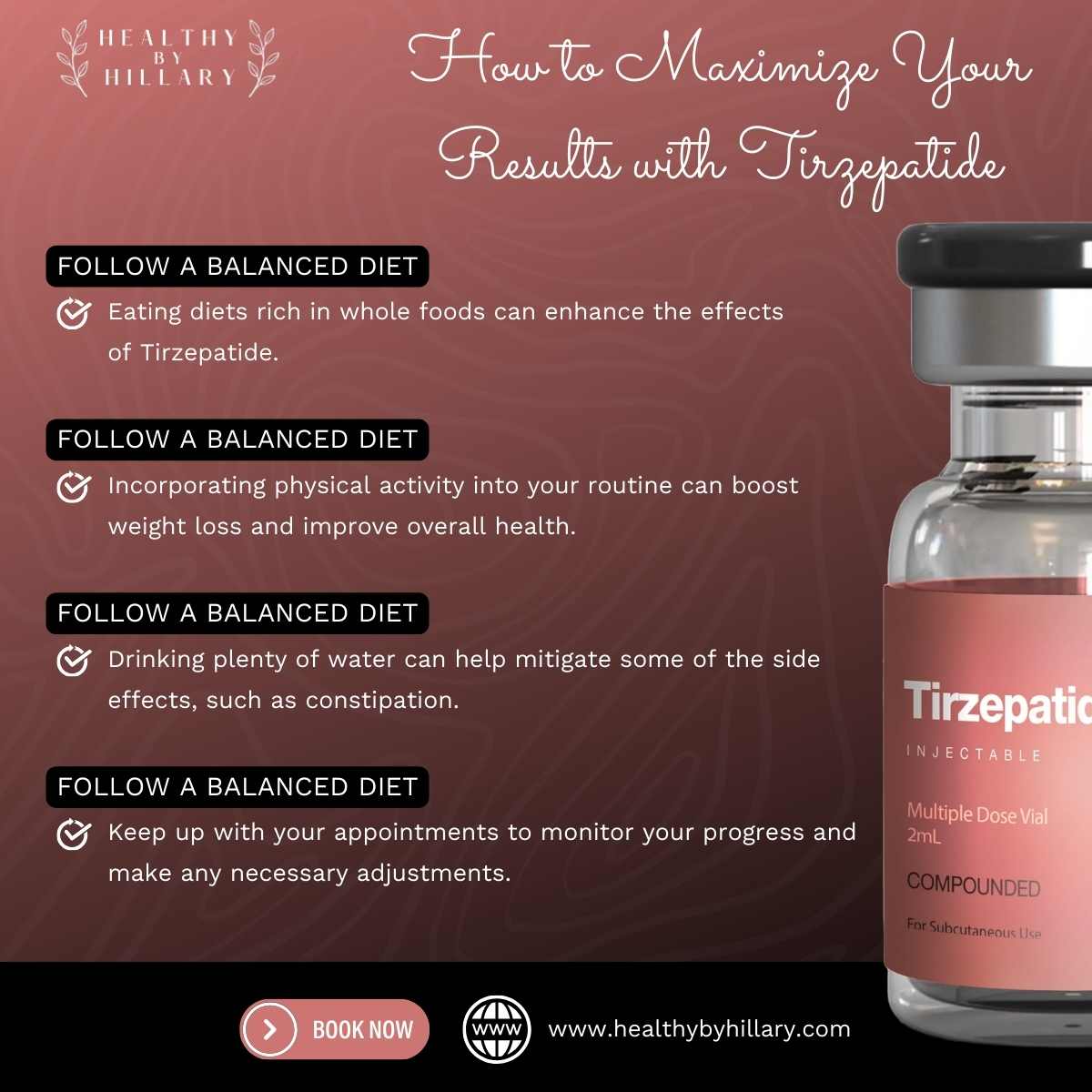
If your provider starts you on a lower tirzepatide dose, appetite may feel stronger for a few weeks. Plan for this by keeping protein-rich snacks on hand, eating regular meals and avoiding trigger foods at home. Staying active and hydrated helps too. Appetite control usually strengthens with each dose increase.
Tracking Results After Switching
Weigh yourself weekly, measure your waist every two weeks and note side effects and energy levels. Share this log at follow-up visits. Give the new medication at least two to three months before judging results, since doses build gradually.
Cost and Coverage Considerations
Coverage for tirzepatide may differ from coverage for semaglutide. Check your plan before switching and ask about manufacturer savings programs. Your provider can help you weigh cost against expected benefits.
More Switching Questions
Will side effects be worse on tirzepatide?
Not necessarily. Many people tolerate it similarly, especially when starting low.
How soon will I notice a difference?
Some people notice stronger appetite control within weeks; others need a dose increase first.
Talk With Us About Switching
Our team can design a safe transition plan. Book a consultation today.