
Weight Loss and Type 2 Diabetes: How Losing Weight Changes Blood Sugar
A Powerful Connection
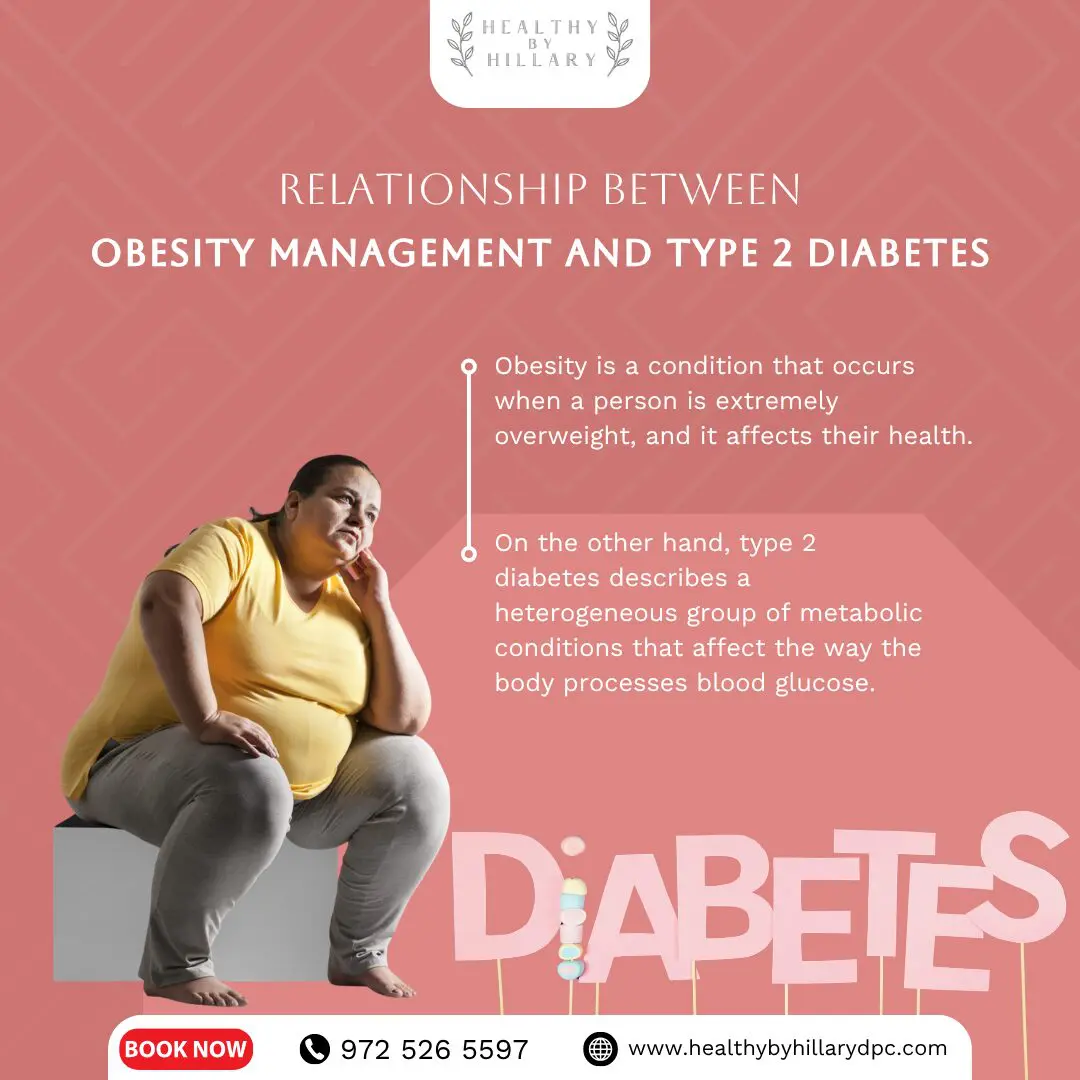
Excess weight, especially around the abdomen, is one of the strongest drivers of type 2 diabetes. Fat in and around the liver and pancreas interferes with how the body handles insulin. The encouraging flip side is that losing weight can dramatically improve blood sugar and, for some people, lead to remission.
How Weight Loss Helps
- Improves insulin sensitivity
- Reduces liver fat
- Lowers fasting glucose and A1C
- Reduces the need for diabetes medications
- Lowers blood pressure and cholesterol
Losing 5 to 10 percent of body weight brings meaningful benefits. Larger losses, often 10 to 15 percent or more, are linked with higher chances of diabetes remission, particularly when diabetes is diagnosed recently.
Prediabetes: A Window of Opportunity
For people with prediabetes, losing around 7 percent of body weight and exercising 150 minutes a week can cut the risk of developing diabetes by more than half.
Medications That Help With Both
- GLP-1 medications such as semaglutide reduce appetite and lower blood sugar
- Tirzepatide acts on two hormones and often produces larger improvements
- Metformin supports insulin sensitivity
- SGLT2 inhibitors lower blood sugar and modestly reduce weight
A Cleveland Clinic overview explains how GLP-1 medications work.
What a Supervised Plan Includes
- Lab work: A1C, fasting glucose, kidney and liver function, lipids
- Medication review, since some diabetes drugs need adjusting as weight falls
- Nutrition guidance focused on protein, fiber and fewer refined carbs
- Activity plans that include strength training
- Regular blood sugar monitoring
- Follow-up visits
Preventing Low Blood Sugar
People taking insulin or sulfonylureas may need dose reductions when starting GLP-1 medications. Never adjust diabetes medication without guidance.
Diabetes and Weight Questions
Can diabetes be reversed?
Remission is possible for some, especially with significant weight loss early on.
Do I still need to monitor blood sugar?
Yes, especially during medication changes.
Is it safe to use GLP-1s with insulin?
Yes, with careful dose adjustments.
Building a Diabetes-Friendly Plate
Fill half your plate with non-starchy vegetables such as leafy greens, broccoli, peppers and zucchini. Fill a quarter with lean protein like chicken, fish, eggs, tofu or beans. Use the last quarter for fiber-rich carbohydrates such as brown rice, quinoa, sweet potatoes or whole-grain bread. Add a small amount of healthy fat from olive oil, nuts or avocado. This simple structure helps keep blood sugar steady after meals and supports weight loss.
Exercise and Blood Sugar
Muscles use glucose for energy, so physical activity lowers blood sugar both during and after exercise. A 10- to 15-minute walk after meals can noticeably reduce blood sugar spikes. Strength training builds muscle that improves insulin sensitivity over time. Aim for at least 150 minutes of moderate activity each week plus two strength sessions, adjusting for your current fitness and health.
Tracking Progress
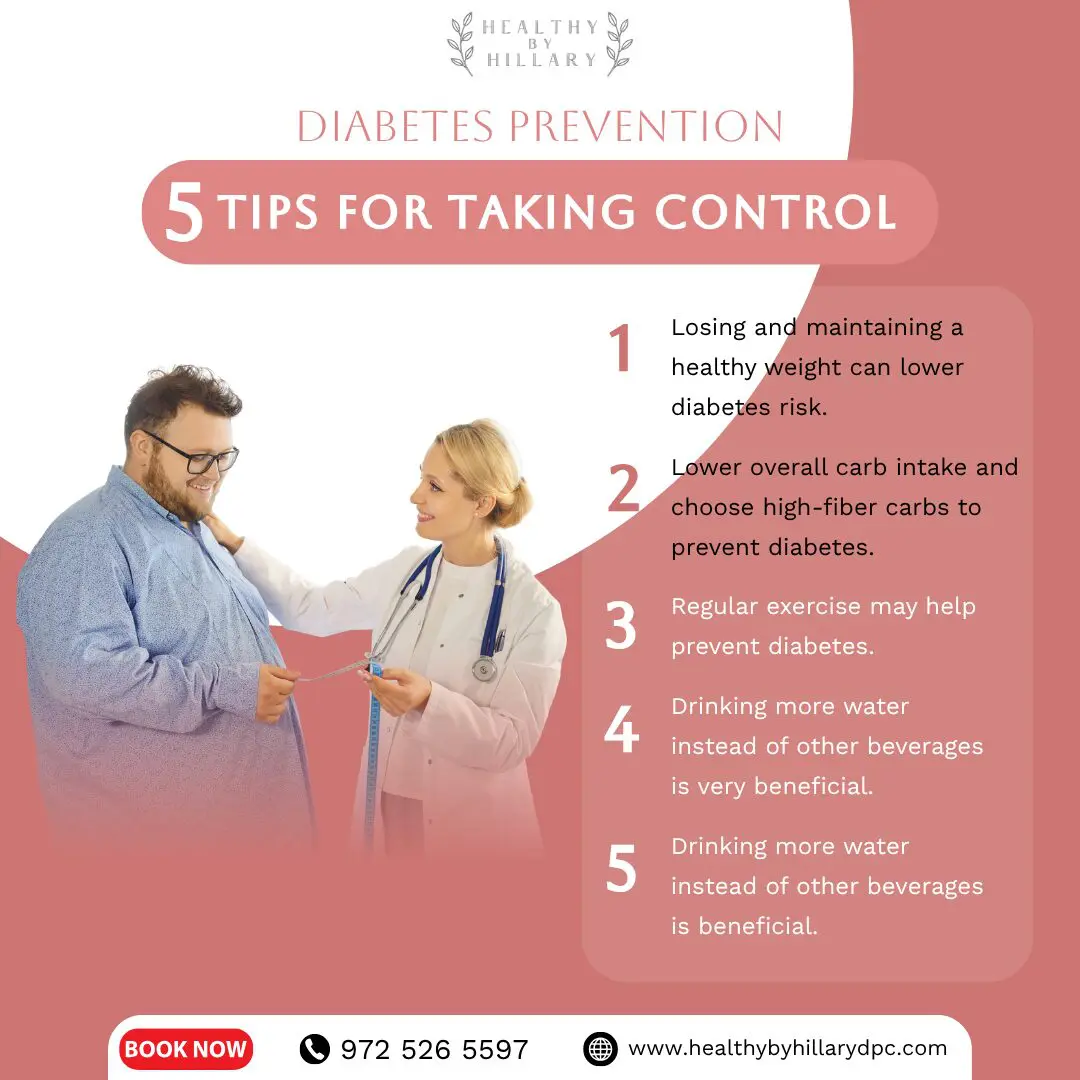
Track weight, waist size, home blood sugar readings and A1C every three months. Many people see A1C improve within the first few months of weight loss and medication changes. Celebrate these improvements, since they reflect real changes in long-term health risk.
Protecting Your Kidneys, Eyes and Heart
Diabetes care also includes yearly eye exams, kidney function tests, foot checks and cholesterol and blood pressure management. Weight loss supports all of these, but regular screening remains important.
More Questions
How quickly will my A1C improve?
Many people see changes within three months.
Can I stop my diabetes medications?
Some people reduce or stop medications with significant weight loss, but only under medical guidance.
Get Help With Weight and Blood Sugar
Our team combines medical weight loss with diabetes-focused care. Book a consultation today.