
What Sets a Physician-Guided Weight Loss Clinic Apart
Not All Weight Loss Programs Are Created Equal
Search for weight loss help online and you will find everything from meal-replacement shakes to app-based coaching to clinics offering injections. Some are excellent. Others focus on selling a product with little medical oversight. Choosing well can make the difference between short-term loss and lasting change.
A physician-guided clinic combines medical expertise with personal support. The goal is not just a lower number on the scale, but better health that lasts. Here is what to look for when deciding where to get help.
Licensed Providers Who Know Your History
Weight is tied to blood pressure, blood sugar, hormones, sleep, mental health and medications. A quality clinic is staffed by licensed medical providers who review your full health picture, not just your weight. They should ask about past diets, medical conditions, family history and current prescriptions.
This matters because some medications cause weight gain, and some conditions, such as hypothyroidism or insulin resistance, make weight loss harder. Addressing those factors directly can unlock progress.
Testing Before Treatment
A good program starts with data. Expect baseline lab work, which may include:
- Blood sugar and A1C
- Cholesterol and triglycerides
- Thyroid function
- Liver and kidney function
- Vitamin D and B12 when relevant
- Hormone levels when symptoms suggest a problem
These results guide which treatments are safe and most likely to work. They also give you a benchmark to measure improvement.
Safe, Appropriate Medication
Modern medications such as semaglutide and tirzepatide have changed what is possible. But they need careful prescribing. A responsible clinic will:
- Confirm you meet the criteria for treatment
- Screen for reasons the medication may be unsafe
- Start at a low dose and increase gradually
- Explain side effects and how to manage them
- Be transparent about where medications come from
Be wary of any program that hands out prescriptions without a real medical visit or promises dramatic results in a few weeks.
Nutrition Guidance You Can Actually Follow
Medication reduces appetite, but what you eat still matters. Protein protects muscle. Fiber supports fullness and digestion. Hydration prevents fatigue and constipation. A good clinic helps you build simple, realistic meals rather than handing you a rigid list of forbidden foods.

The NIDDK guidance on choosing a weight loss program recommends looking for plans that include healthy eating, physical activity and long-term support. Those features predict better results.
Regular Follow-Up and Accountability
Frequent check-ins are one of the strongest predictors of success. They let your provider adjust doses, address side effects and celebrate progress. They also keep you engaged during harder weeks. Ask any clinic how often you will be seen and who you can contact between visits.
A Plan for Life After Weight Loss
Losing weight is one phase. Keeping it off is another. Ask how a clinic handles maintenance. Do they offer reduced dosing, continued nutrition coaching or periodic check-ins? A clinic that plans for the long term is more likely to help you stay successful.
Questions to Ask Before You Commit
- Who will be overseeing my care, and what are their credentials?
- What testing is included before starting?
- How are medications sourced and dispensed?
- How often will I have appointments?
- What happens if I have side effects?
- What does maintenance look like?
- What is the total cost, and are there hidden fees?
Clear, confident answers are a good sign.
Red Flags to Watch For
Just as there are signs of a quality clinic, there are warning signs that should make you pause. Be cautious if a program:
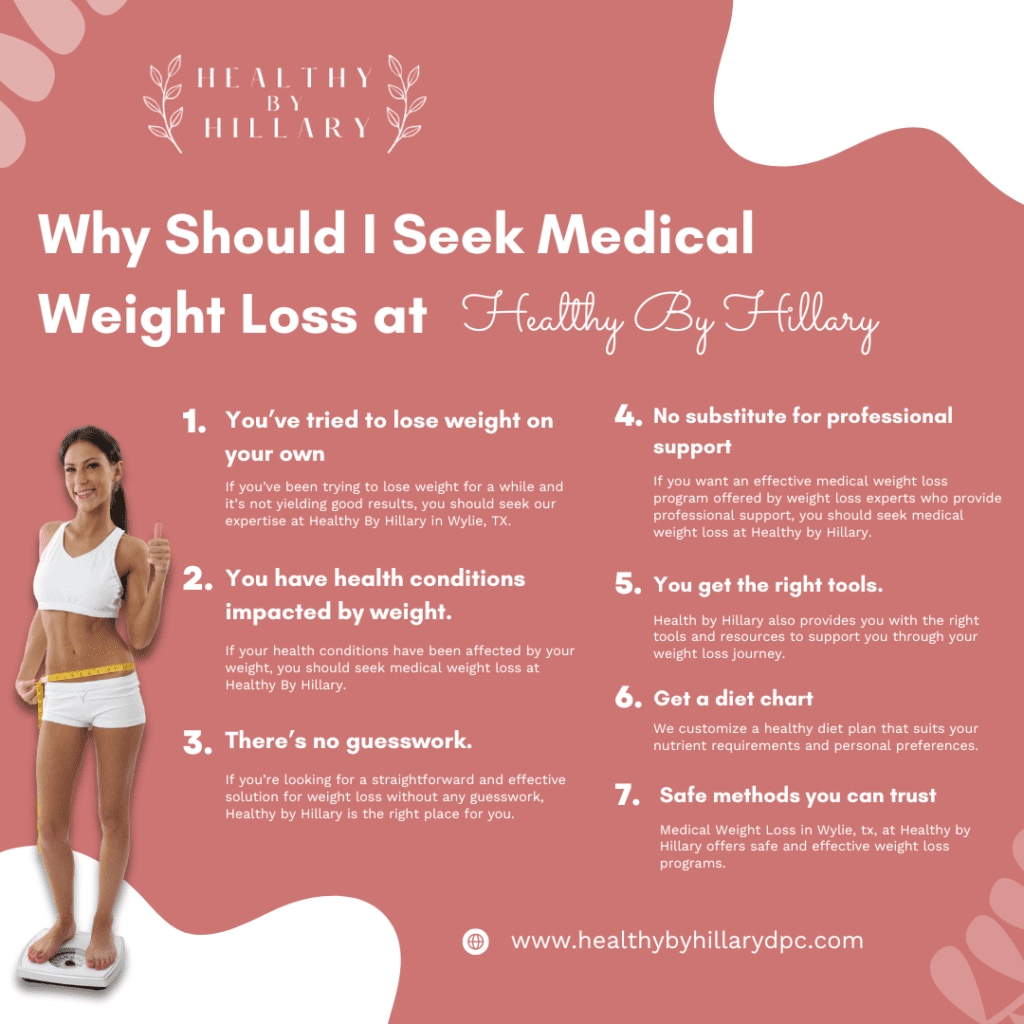
- Prescribes medication after a short online form with no real medical visit
- Guarantees a specific number of pounds in a set number of days
- Pushes expensive add-on supplements or proprietary products
- Has no plan for monitoring side effects or lab work
- Cannot tell you where its medications are made
- Discourages questions or pressures you to sign up on the spot
Weight loss is a medical journey. You deserve the same standard of care you would expect for any other health condition, including honest answers about risks, costs and realistic results.
Why Primary Care Experience Helps
Clinics rooted in primary care are used to managing the whole person. They can spot when rising blood pressure, low thyroid or a medication side effect is holding back progress. They can also coordinate with specialists when needed. That broader view makes weight care safer and often more effective.
How Our Clinic Approaches Weight Loss
At our clinic, weight loss care is built on primary care principles. Each plan begins with a full evaluation and lab work. Medications are prescribed only when appropriate, with steady dose adjustments and close follow-up. Nutrition and lifestyle support are part of every plan, and maintenance is discussed from the start. Patients come to us because they want care that treats them as a whole person.
Frequently Asked Questions
Is medical weight loss covered by insurance?
Coverage varies. Some plans cover visits and labs but not weight loss medications. Ask for a cost breakdown before starting.
How much weight can I expect to lose?
Results vary, but many people on modern medications lose 10 to 20 percent of body weight over a year when combined with lifestyle changes.
Can I join if I only need to lose 20 pounds?
Possibly. Eligibility for medication depends on your BMI and health conditions, but nutrition and lifestyle support can help anyone.
What if I have tried medication before and it did not work?
A different medication, a better-paced dose schedule or added support for sleep, stress and nutrition can change the outcome. Share your past experience at the first visit so the plan can account for it.
Do I have to follow a strict diet?
No. The focus is on sustainable changes, such as more protein, more vegetables and fewer sugary drinks, rather than rigid rules you cannot keep.
Take the First Step
If you are ready for weight loss care that is medical, personal and sustainable, schedule a consultation with our team today.