
daniel@myreviewninja.com
Peptides for Younger-Looking Skin: Topical, Oral and In-Office Options
Why Skin Ages Skin aging comes from two main sources. Intrinsic aging is the natural, gradual decline in collagen, elastin and hyaluronic acid that begins in our twenties. Extrinsic aging comes from outside factors, mostly sun exposure, along with smoking, pollution, poor sleep and stress. Together they lead to fine lines, sagging, dullness, uneven tone…

What Is Peptide Therapy? A Beginner’s Guide to How It Works
The Basics: What Peptides Are Proteins are long chains of amino acids. Peptides are shorter chains, usually fewer than 50 amino acids. The body uses peptides as messengers. They tell cells when to release hormones, repair tissue, fight infection, burn fat or produce collagen. Medicine has used peptides for decades. Insulin is a peptide hormone.…

Can Peptides Ease Joint Pain and Inflammation? A Balanced Look
Living With Pain That Will Not Quit Chronic pain wears people down. Achy knees, a shoulder that never fully healed, a back that flares with every long drive or tendons that stay sore for months can limit work, exercise and sleep. Many people have tried rest, physical therapy, anti-inflammatory medications and injections, and still want…

Losing Weight With PCOS: Why It Is Harder and What Helps
A Condition That Makes Weight Stubborn Polycystic ovary syndrome, or PCOS, affects roughly one in ten women of reproductive age. It can cause irregular periods, acne, excess facial or body hair, thinning scalp hair and difficulty getting pregnant. It also makes weight harder to lose and easier to gain. Many women with PCOS feel they…

Sermorelin or Growth Hormone? Comparing Safety and Suitability
Two Paths to Higher Growth Hormone Growth hormone plays a role in muscle maintenance, fat metabolism, bone strength, skin quality and sleep. Levels peak in adolescence and decline steadily with age. That decline has led many adults to explore ways to raise growth hormone, usually through one of two approaches: direct injections of human growth…

A Guide to Hormone Blood Tests: What They Measure and When to Get Them
Why Testing Matters Fatigue, weight gain, poor sleep, low libido and mood changes can all have hormonal roots, but they can also come from stress, poor sleep, nutrient deficiencies or other medical conditions. Hormone testing helps separate one cause from another. It turns guesswork into a clearer picture and gives you and your provider a…
Copper Peptides in Skin Care: How GHK-Cu Supports Firmer, Healthier Skin
A Small Molecule With Big Interest Walk into any skin care aisle and you will see peptides on serums, creams and eye treatments. Among them, copper peptides stand out for their long history in research and growing popularity. The most studied form is GHK-Cu, a tiny protein fragment bound to a copper ion that occurs…
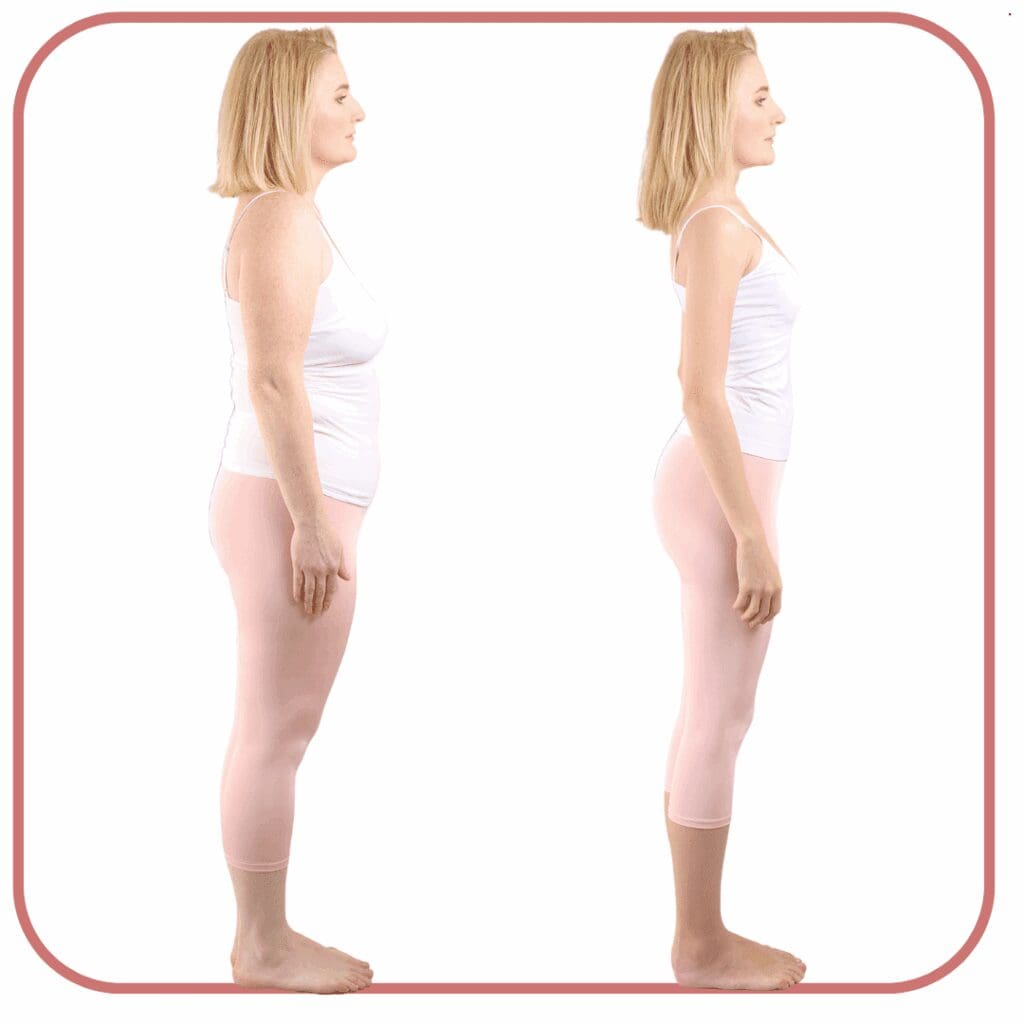
Understanding BMI: How It Is Calculated and Why It Matters for Treatment
A Simple Number With Real Consequences Body mass index, or BMI, is one of the most widely used measures in medicine. It takes just two numbers, your height and weight, and turns them into a single value that helps estimate health risk. It is not perfect, but it is quick, free and useful as a…

When Low Mood Has a Hormonal Root: Treatment Options That Help
Mood Is Not Only in Your Head When someone feels persistently down, the first thoughts usually turn to stress, life events or brain chemistry. Those are important factors. But hormones can also play a powerful role in how we feel day to day. Shifts in estrogen, progesterone, testosterone and thyroid hormone influence the same brain…

Facial Volume Loss After Weight Loss: How Fillers Can Help
When the Scale Goes Down, the Face Can Change Losing a large amount of weight is a major achievement. It can lower blood pressure, improve blood sugar, ease joint pain and boost confidence. Yet many people are surprised when they look in the mirror and see a face that looks thinner, more tired or older…