
What Hormone Pellets Can Help With: Symptoms and Conditions Explained
Why People Look Into Pellets
Hormone imbalance rarely shows up as a single problem. It tends to arrive as a cluster of symptoms that chip away at sleep, mood, energy and intimacy. Pellet therapy, which delivers bioidentical hormones through tiny implants placed under the skin, is one way to restore steadier levels.
Before deciding, it helps to know which concerns pellets are most likely to improve, which have mixed evidence, and when another approach might be better. Below we group the most common reasons patients ask about pellets.
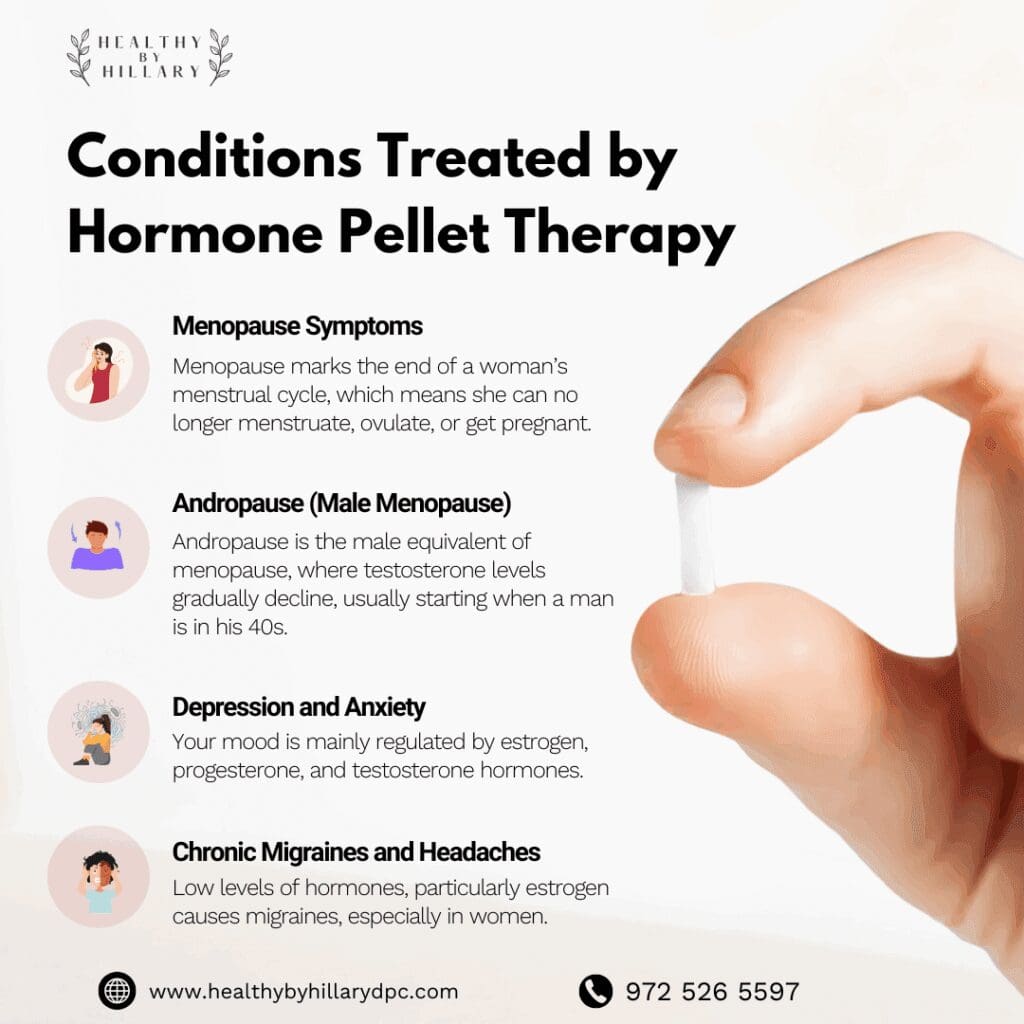
Menopause and Perimenopause Symptoms
Hot flashes and night sweats
Estradiol is highly effective for vasomotor symptoms. Steady release from pellets can reduce the frequency and intensity of flashes for many women.
Sleep disruption
When night sweats and hormone swings ease, sleep often improves. Women frequently report falling asleep faster and waking less.
Vaginal dryness and discomfort
Systemic estrogen can help, though some women still need a low-dose vaginal product for complete relief.
Mood swings and irritability
Hormone fluctuations can amplify anxiety and irritability. More stable levels may help some women feel calmer and more even.
Sexual Health Concerns
Low libido in women
Low-dose testosterone has evidence for improving sexual desire in postmenopausal women with low libido that causes distress. Pellets are one delivery option, although careful dosing is important to avoid side effects.
Low libido and erectile changes in men
For men with confirmed low testosterone, restoring levels often improves sex drive. Erection quality may improve, particularly when combined with other treatments.
Energy, Strength and Body Composition
Fatigue
Low estrogen in women and low testosterone in men can both contribute to persistent tiredness. Many patients notice better energy once levels are balanced, though other causes of fatigue should always be checked.
Muscle loss
Testosterone supports muscle mass and strength. Men with low levels often regain strength over several months of therapy, especially with resistance training.
Abdominal weight gain
Hormone changes shift fat toward the midsection. Balancing hormones will not cause weight loss on its own, but it may make diet and exercise efforts more effective.
Bone Health
Bone density declines quickly in the first years after menopause. Estrogen slows that loss and reduces fracture risk. In men, healthy testosterone levels support bone strength. Pellets deliver both hormones steadily, which may support long-term bone health as part of a broader plan that includes calcium, vitamin D and weight-bearing exercise.
Cognitive and Emotional Wellbeing
Brain fog, forgetfulness and difficulty concentrating are common during hormonal transitions. Some patients report clearer thinking on hormone therapy. Research on memory is mixed, so expectations should be realistic. Mood improvements are more consistently reported, especially when sleep improves.
Specific Situations Where Pellets Are Considered
- Women who went through early or surgical menopause
- Men with low testosterone who dislike injections or gels
- Patients who had skin reactions to patches or creams
- People who prefer fewer appointments and no daily routine
Where the Evidence Is Thinner
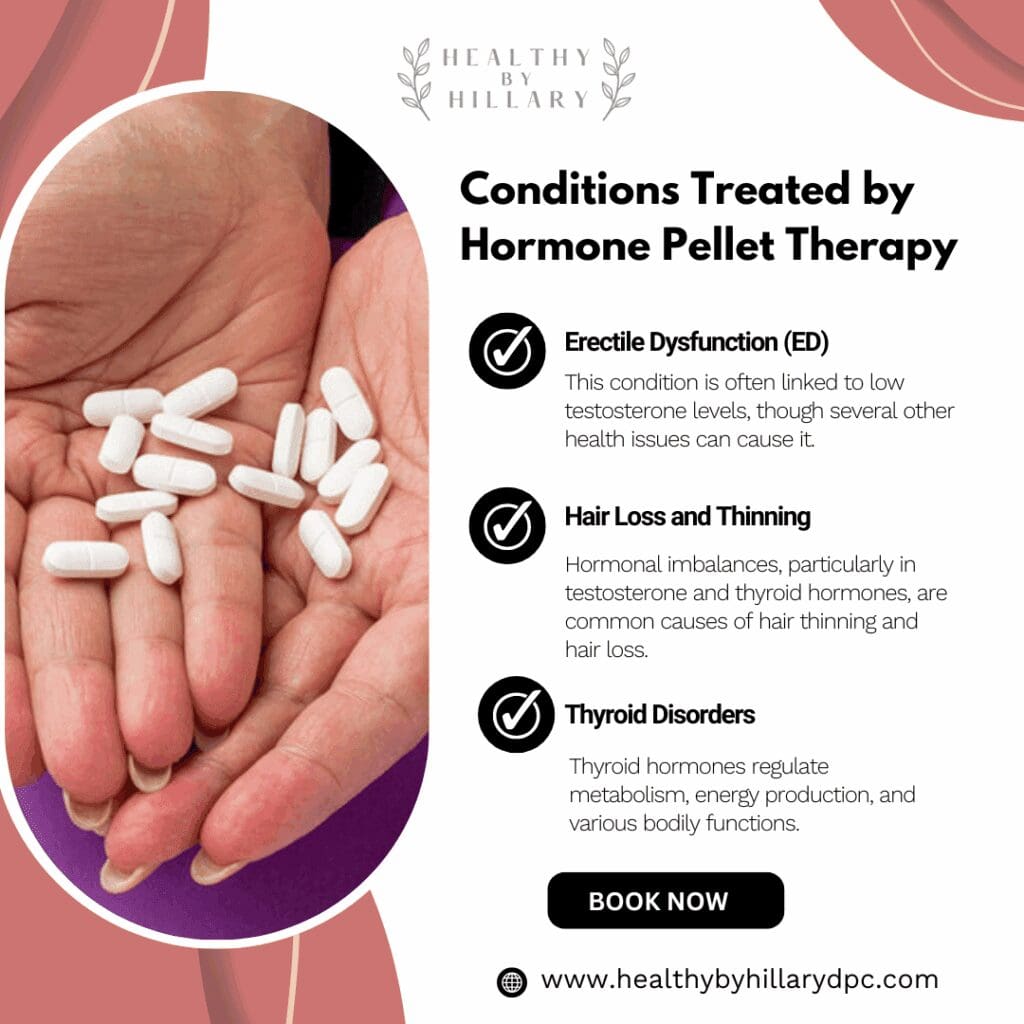
Pellets are sometimes marketed for a long list of benefits, from migraines to hair growth. Some patients do notice these changes, but strong research support is limited. Be cautious of any clinic that promises pellets will fix everything. A clinical review of hormone therapy provides helpful context on what is well established.
How a Pellet Plan Is Personalized
No two pellet plans should look exactly the same. Your provider considers several factors before choosing a dose:
- Your main symptoms and how much they affect daily life
- Baseline blood levels of estradiol, testosterone and related hormones
- Body weight and activity level, which affect how fast pellets dissolve
- Your age and time since menopause
- Personal and family medical history
- Other medications and supplements you take
After the first insertion, follow-up labs and a symptom check help adjust the next dose. It often takes one or two cycles to find the sweet spot. Patients who keep a simple symptom diary make this process faster and more accurate.
Questions Worth Asking Before You Start
- Which hormones will be in my pellets, and why?
- How will you decide my dose?
- How will my levels be monitored?
- What side effects should I watch for?
- What happens if my levels run too high?
- Do I need progesterone or other medications alongside pellets?
- What will each insertion cost, and how often will I need one?
A good provider welcomes these questions and gives clear answers.
Who Should Not Use Pellets
Pellet therapy may not be safe for people with:
- A history of breast, uterine or prostate cancer
- Previous blood clots or stroke
- Active liver disease
- Untreated sleep apnea
- Elevated red blood cell counts
- Plans to father a child soon
Frequently Asked Questions
How quickly do symptoms improve?
Many people notice changes within two to four weeks, with fuller benefits by the second month.
Do pellets work for everyone?
No treatment works for everyone. Some people prefer the control of creams or injections.
Do women with a uterus need progesterone?
Yes. Women receiving estradiol need progesterone to protect the uterine lining.
How often are pellets replaced?
Typically every three to four months for women and four to six months for men.
Can pellets help with thinning hair?
Hair changes have many causes, including thyroid problems, iron deficiency, stress and genetics. Balanced hormones may help some people, but testosterone can actually worsen hair thinning in those prone to it. A full evaluation is important.
Are pellets safe long term?
Long-term research on pellets specifically is more limited than for patches or pills. Regular monitoring and a yearly review help keep treatment as safe as possible.
Find Out If Pellets Fit Your Needs
Our clinic provides full hormone testing and honest guidance on whether pellets or another form of therapy suits you best. Book a consultation to discuss your symptoms.