
Hormone Pellets for Women: Benefits, Dosing and Safety Considerations
A Steady Option for Women’s Hormone Care
Women navigating perimenopause and menopause often juggle a long list of symptoms: hot flashes, poor sleep, low libido, mood swings and fatigue. Many try creams, patches or pills first. Some find those methods inconvenient or struggle with uneven results. Hormone pellets offer an alternative that releases hormones steadily for months at a time.
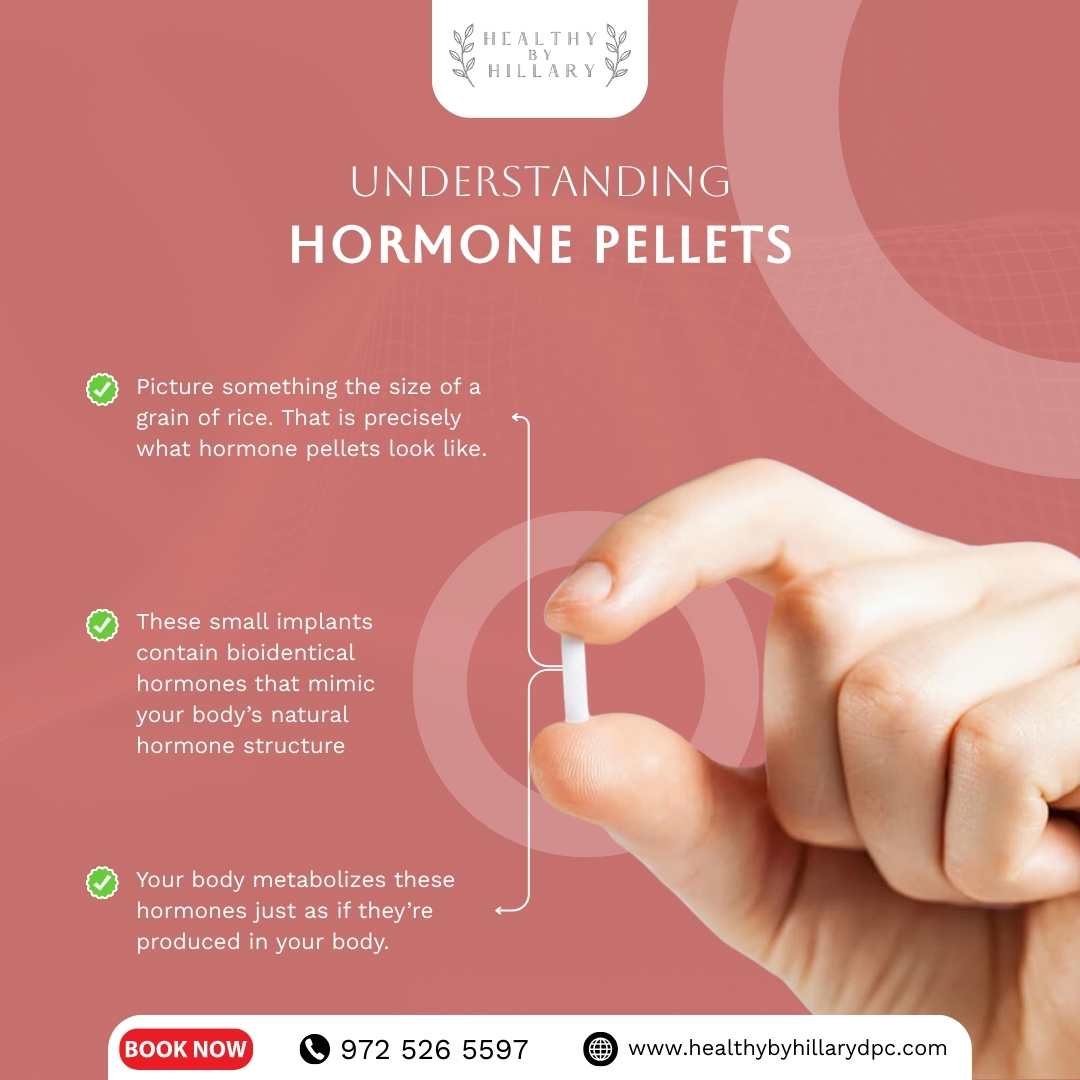
Pellets are small cylinders placed under the skin of the hip during a quick office visit. For women, they usually contain estradiol, testosterone or both. Understanding how they work and what to watch for helps you decide whether they are a good fit.
How Pellets Work for Women
Once placed, pellets slowly dissolve and release hormones directly into the bloodstream. This avoids the liver, which may lower some risks associated with oral estrogen. Hormone levels typically rise over the first few weeks and then gradually taper over three to four months.
Symptoms Pellets May Improve
- Hot flashes and night sweats
- Trouble falling or staying asleep
- Low libido
- Mood swings and irritability
- Fatigue and low motivation
- Brain fog
- Muscle loss and reduced strength
Many women notice improvement within two to four weeks, with fuller effects by the second month. Read more about what pellets can help with.
Understanding the Hormones Involved
Estradiol
The primary estrogen. It relieves hot flashes, supports sleep and bone health and helps vaginal tissues.
Testosterone
Women produce testosterone too, and levels fall with age. Low-dose testosterone has evidence for improving sexual desire in postmenopausal women with low libido. Doses for women are much lower than for men.
Progesterone
Not delivered by pellet. Women with a uterus who receive estradiol need progesterone, usually as a nightly capsule, to protect the uterine lining.
How Dosing Is Determined
Your provider considers your symptoms, baseline lab results, body weight, activity level and medical history. Follow-up labs a few weeks after insertion check whether levels are in a healthy range. The next dose is adjusted based on those results and how you feel.
Potential Side Effects
- Tenderness, bruising or itching at the insertion site
- Temporary breast tenderness
- Acne or oily skin
- Unwanted hair growth
- Mood changes if levels run high
- Rarely, infection or pellet extrusion
Because pellets cannot easily be removed, high levels must wear off on their own. Careful initial dosing helps prevent this.
Safety Considerations
Testosterone pellets for women and estradiol pellets are compounded and not FDA-approved for women. Long-term safety data specific to pellets is more limited than for patches or pills. Women should discuss these points openly with their provider. A medical article on pellet therapy provides additional perspective.
Who should avoid pellets
- Women with a history of breast or uterine cancer
- Those with past blood clots or stroke
- Women with liver disease
- Those with unexplained vaginal bleeding
Comparing Pellets With Other Options
Pellets offer convenience and steady release, but less flexibility. Patches and gels allow easy dose changes. Oral progesterone is still needed with estrogen. Some women start with patches or creams to find their ideal dose, then switch to pellets. Our guide to pellets versus injections compares methods further.
What to Expect at Your Visit
The procedure takes about 15 minutes. After numbing the area, your provider makes a tiny incision and places the pellets under the skin of the upper hip. The site is closed with adhesive strips. Avoid baths, swimming and heavy lower-body exercise for several days.
Pellet Questions From Women
How often are pellets replaced?
Most women need new pellets every three to four months.
Will pellets help my sex drive?
Many women notice improved libido, particularly when testosterone is included.
Can pellets cause weight gain?
Some women notice mild fluid retention early on. Long-term weight gain is not typical.
Are pellets safe for women in their forties?
Many women in perimenopause use pellets successfully after a careful evaluation.
Find Out if Pellets Are Right for You
Our team offers full hormone evaluations and personalized pellet plans for women. Book a consultation to explore your options.