
Perimenopause Explained: Symptoms, Timing and Hormone Treatment Options
The Years Before Menopause
Menopause is a single moment: the point when you have gone 12 months without a period. Perimenopause is the transition leading up to it, and it can last four to ten years. Many women are surprised to learn it can begin in their early forties, or even late thirties, while they are still having regular periods.
During perimenopause, the ovaries do not wind down smoothly. Hormone levels rise and fall unpredictably, which explains why symptoms can be intense one month and almost absent the next. Understanding what is happening helps women recognize the signs and seek help sooner.
What Changes Hormonally
Progesterone often declines first, as ovulation becomes less regular. Estrogen then swings between unusually high and low levels before eventually dropping. These fluctuations affect the brain, blood vessels, bones, skin and metabolism.
Common Symptoms
Cycle changes
- Shorter or longer cycles
- Heavier or lighter bleeding
- Skipped periods
- Spotting between periods
Physical symptoms
- Hot flashes and night sweats
- Breast tenderness
- Headaches or migraines
- Joint aches
- Weight gain, especially around the abdomen
- Vaginal dryness
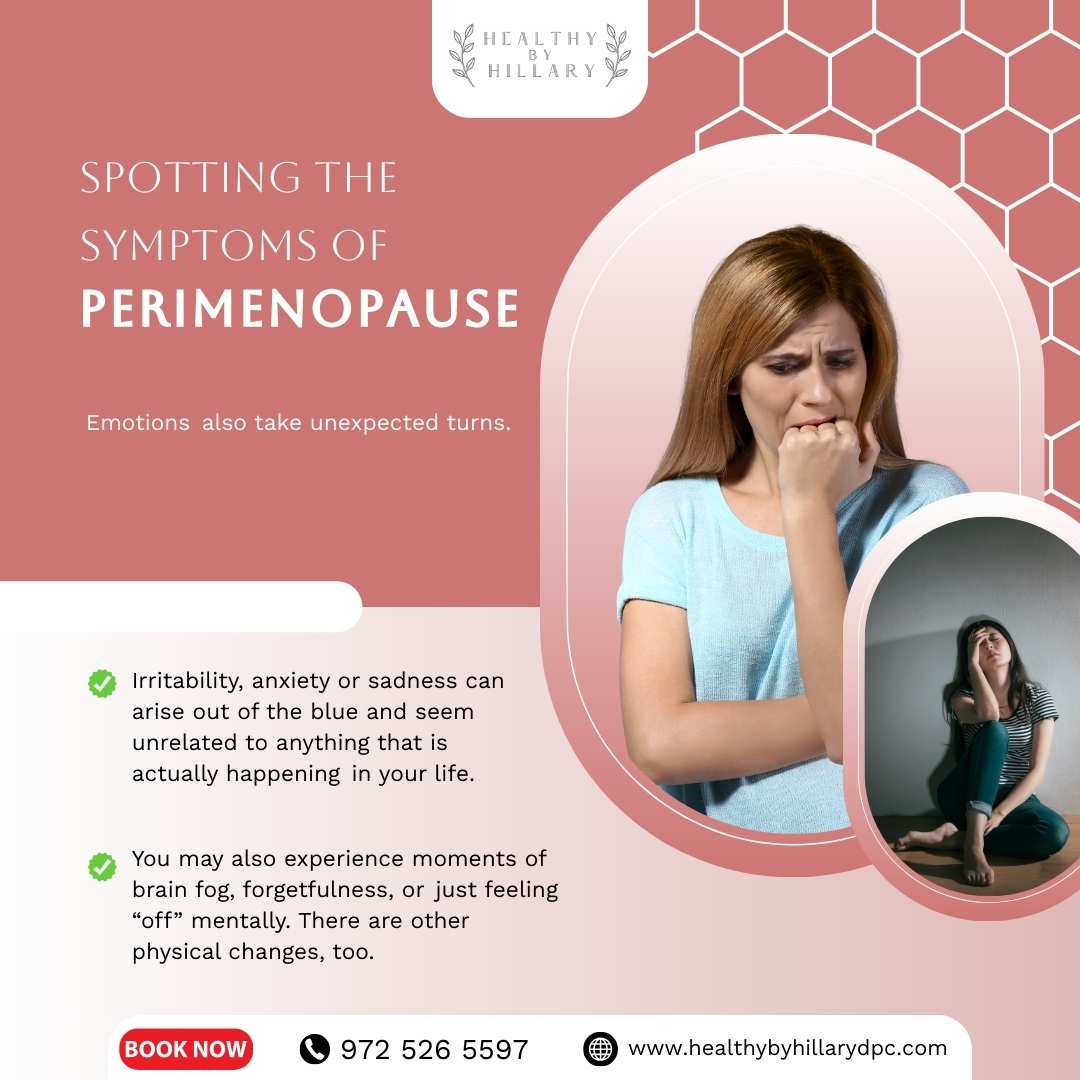
Emotional and cognitive symptoms
- Irritability and anxiety
- Low mood
- Brain fog and forgetfulness
- Trouble sleeping
The Mayo Clinic overview gives a helpful summary of perimenopause symptoms and causes.
How Perimenopause Is Diagnosed
For most women over 40, perimenopause is diagnosed based on symptoms and cycle changes. Hormone tests are less useful because levels fluctuate from day to day. Your provider may still order labs to rule out thyroid problems, anemia, pregnancy and other conditions that can mimic perimenopause.
Treatment Options
Hormone therapy
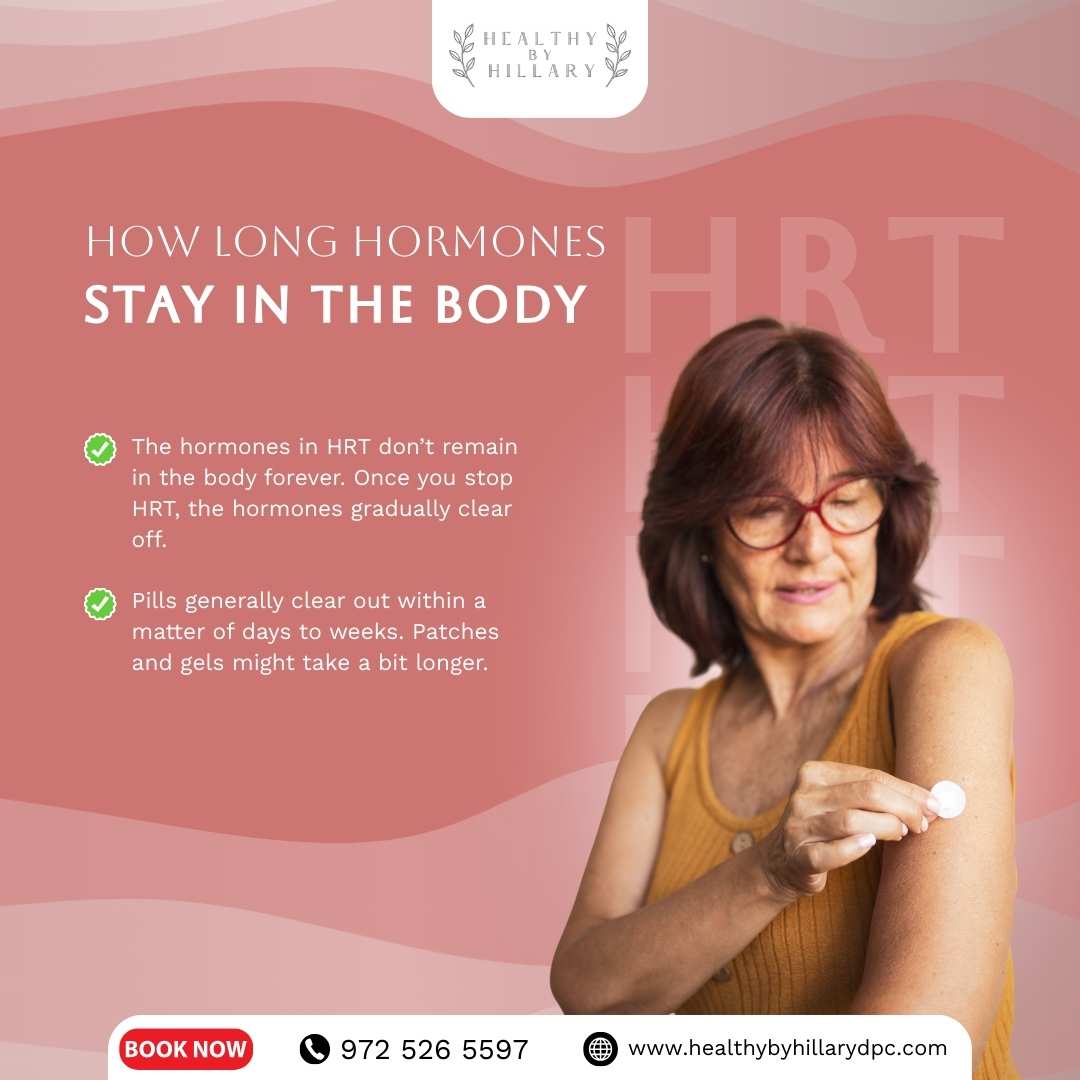
Low-dose estrogen can ease hot flashes, night sweats and sleep problems. Women with a uterus also need progesterone to protect the uterine lining. Micronized progesterone at bedtime can improve sleep and help regulate heavy or irregular bleeding.
Hormonal birth control
For women who still need contraception, low-dose birth control pills or a hormonal IUD can stabilize cycles and reduce symptoms.
Non-hormonal medications
Certain antidepressants, gabapentin and a newer medication targeting the brain’s temperature center can reduce hot flashes.
Vaginal estrogen
Low-dose vaginal products treat dryness and discomfort with minimal absorption.
Learn more about bioidentical hormone therapy options.
Managing Heavy Bleeding
Heavy or irregular periods are common in perimenopause and can lead to iron deficiency and fatigue. Treatments include progesterone, a hormonal IUD, non-hormonal medications and, in some cases, procedures. Always report very heavy bleeding, bleeding after sex or bleeding between periods, since these need evaluation.
Lifestyle Strategies That Help
- Strength train to protect muscle and bone
- Eat protein at every meal and plenty of fiber
- Limit alcohol, which worsens hot flashes and sleep
- Reduce caffeine later in the day
- Keep the bedroom cool
- Practice stress management techniques
- Maintain regular sleep and wake times
When to Seek Care
You do not need to wait until symptoms become unbearable. Consider an evaluation if symptoms are affecting your sleep, work, mood or relationships, or if you have unusual bleeding.
Perimenopause Questions
Can I get pregnant during perimenopause?
Yes. Ovulation still happens, so contraception is needed until menopause is confirmed.
How long does perimenopause last?
On average four years, but it ranges from a few months to over a decade.
Is hormone therapy safe during perimenopause?
For most healthy women, yes. Your provider will review your personal risks.
Will I gain weight no matter what?
Weight changes are common but not inevitable. Strength training, protein and sleep help.
Sleep in Perimenopause Deserves Its Own Plan
Sleep problems are often the symptom that wears women down the most. Night sweats, early waking and racing thoughts can leave you exhausted even after a full night in bed. Simple changes help: a cool bedroom, breathable sheets, a consistent bedtime, and avoiding alcohol and late caffeine. Cognitive behavioral therapy for insomnia is highly effective and has no side effects. When hormone fluctuations are driving the problem, low-dose estrogen and bedtime progesterone often bring noticeable relief within weeks.
Get Support Through the Transition
Our team helps women navigate perimenopause with personalized care, from symptom evaluation to hormone therapy. Book a consultation to feel more like yourself again.