
What Is Realistic in Your First Month of Medical Weight Loss?
Setting Expectations From Day One
Starting a medical weight loss program is exciting, and it is natural to want fast results. Headlines promising 15 pounds in 30 days are everywhere. Some people do lose that much in the first month, while many lose less. Understanding what drives early numbers helps you stay motivated and focused on long-term success.
Why the First Month Varies
Water weight
Cutting back on carbohydrates and salt often triggers a quick drop in water weight during the first week or two.
Medication dose
GLP-1 medications start at low doses. Appetite effects may be mild at first and strengthen with later increases.
Starting weight
People with more weight to lose often see bigger early numbers.
Hormones and health conditions
Thyroid problems, insulin resistance, PCOS and menopause can slow early progress.
What Healthy Early Progress Looks Like
For many people, the first month brings a loss of about 4 to 10 pounds, though results vary. After that, a steady pace of about 1 to 2 pounds per week is common and sustainable. Losing much faster for long periods raises the risk of muscle loss and gallstones.
Habits to Build in the First 30 Days
- Eat protein at every meal
- Drink water consistently
- Walk daily, even briefly
- Add two short strength sessions per week
- Keep a simple food and symptom log
- Go to bed at a consistent time
Measuring More Than the Scale
Track waist size, how clothes fit, energy, sleep and blood pressure. These often improve even when the scale moves slowly.
Medication Support
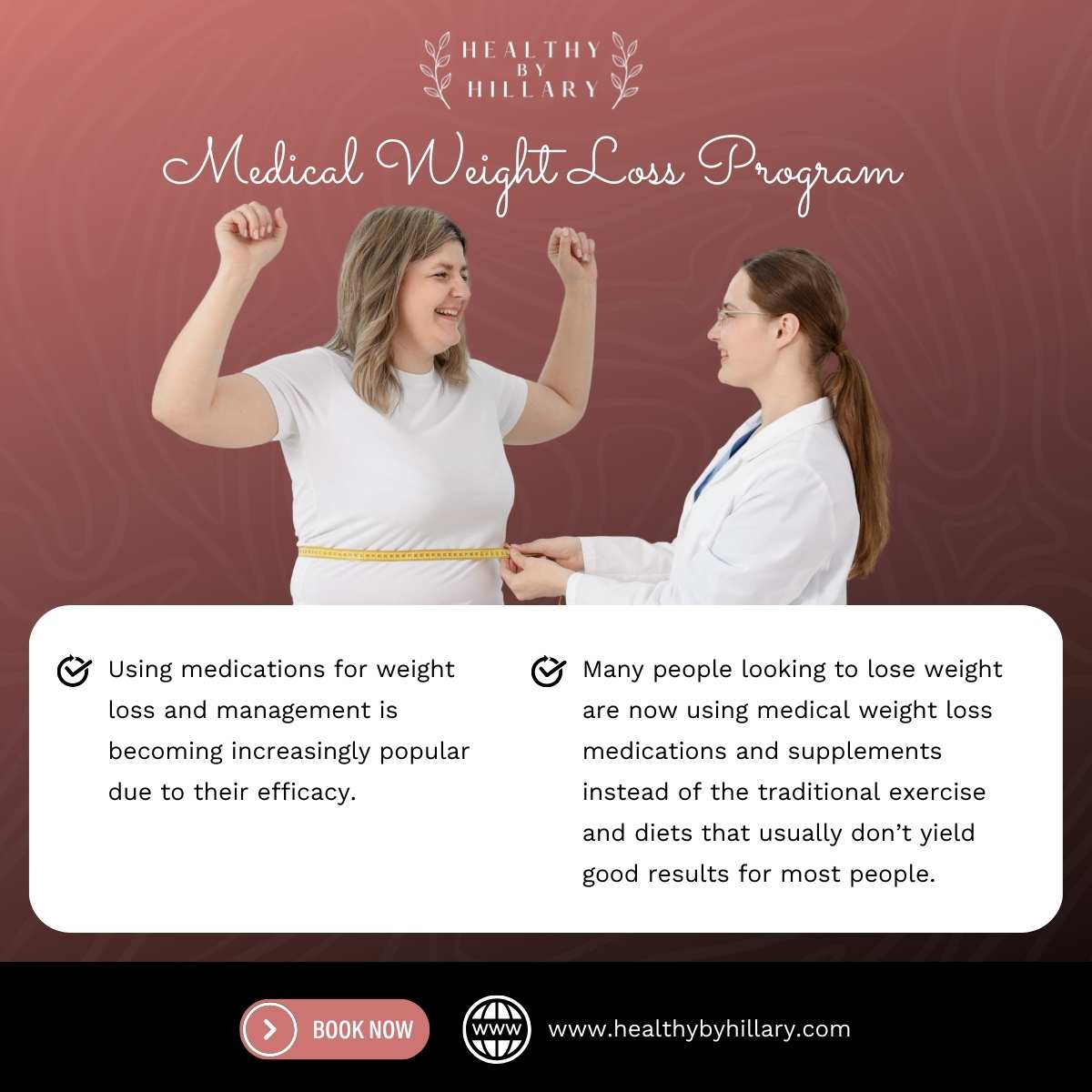
Medications such as semaglutide and tirzepatide reduce appetite and cravings. Combined with nutrition and activity changes, they help many people lose 10 to 20 percent of body weight over a year. A Johns Hopkins overview explains how medical nutrition therapy supports results.
Red Flags of Unsafe Plans
- Very low-calorie diets without medical supervision
- Products promising dramatic results without lifestyle changes
- Unregulated medications bought online
First-Month Questions
Why did I lose a lot in week one and little in week three?
Early water loss slows, and fat loss continues at a steadier pace.
Should I eat less to speed things up?
Very low intake can backfire. Focus on protein and balanced meals.
What if I do not lose weight in the first month?
Talk to your provider; dose, habits or health factors may need adjustment.
A Sample First Week
Day one, take your first dose and eat simple meals with protein and vegetables. Over the next few days, notice how your appetite changes and stop eating when satisfied. Take a 10-minute walk after lunch and dinner. Midweek, prepare a few protein-rich meals in advance. By the end of the week, add your first strength session using body weight or bands. Small, steady actions like these set the tone for the months ahead.
Handling Early Side Effects
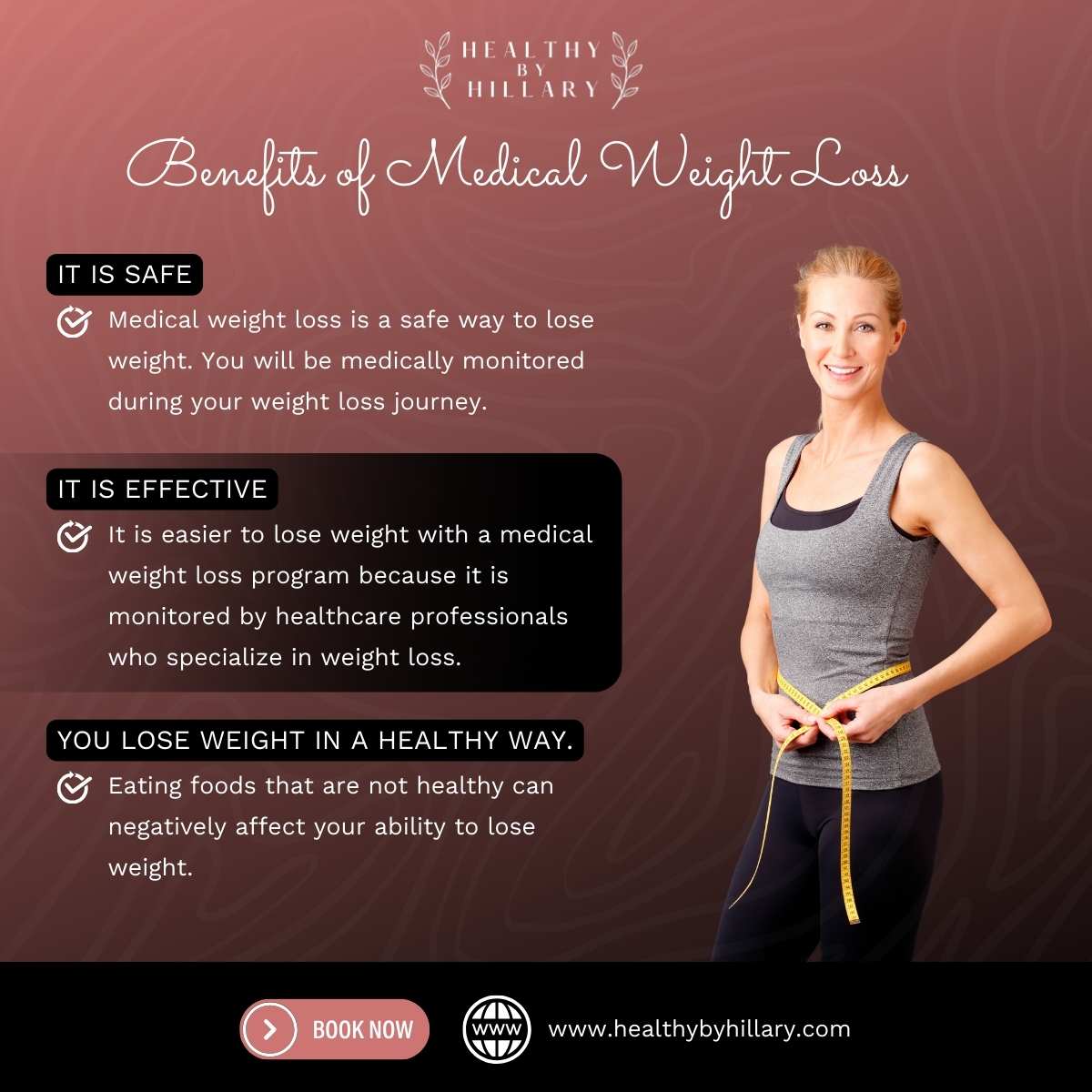
Nausea, constipation and mild fatigue are common in the first weeks of GLP-1 treatment. Eat smaller portions, drink water consistently, choose bland foods on tough days and add fiber gradually. Most side effects ease within a couple of weeks. Contact your provider if symptoms are severe or persistent.
Staying Motivated
Early wins matter. Celebrate non-scale victories such as better sleep, more energy, fewer cravings or clothes fitting differently. Share your goals with a supportive friend or family member. Remember that the first month is about building habits, not reaching your final goal.
Why Slow and Steady Wins
People who lose weight at a steady pace while building sustainable habits are more likely to keep it off. Rapid loss from extreme restriction often leads to rebound weight gain. A medically supervised plan balances meaningful progress with long-term success.
Start Strong
Our team helps you set realistic goals and builds a plan for lasting results. Learn about our medical weight loss program or book a consultation.