
Metformin, Semaglutide and Tirzepatide Compared for Weight and Blood Sugar
Three Medications, Different Strengths
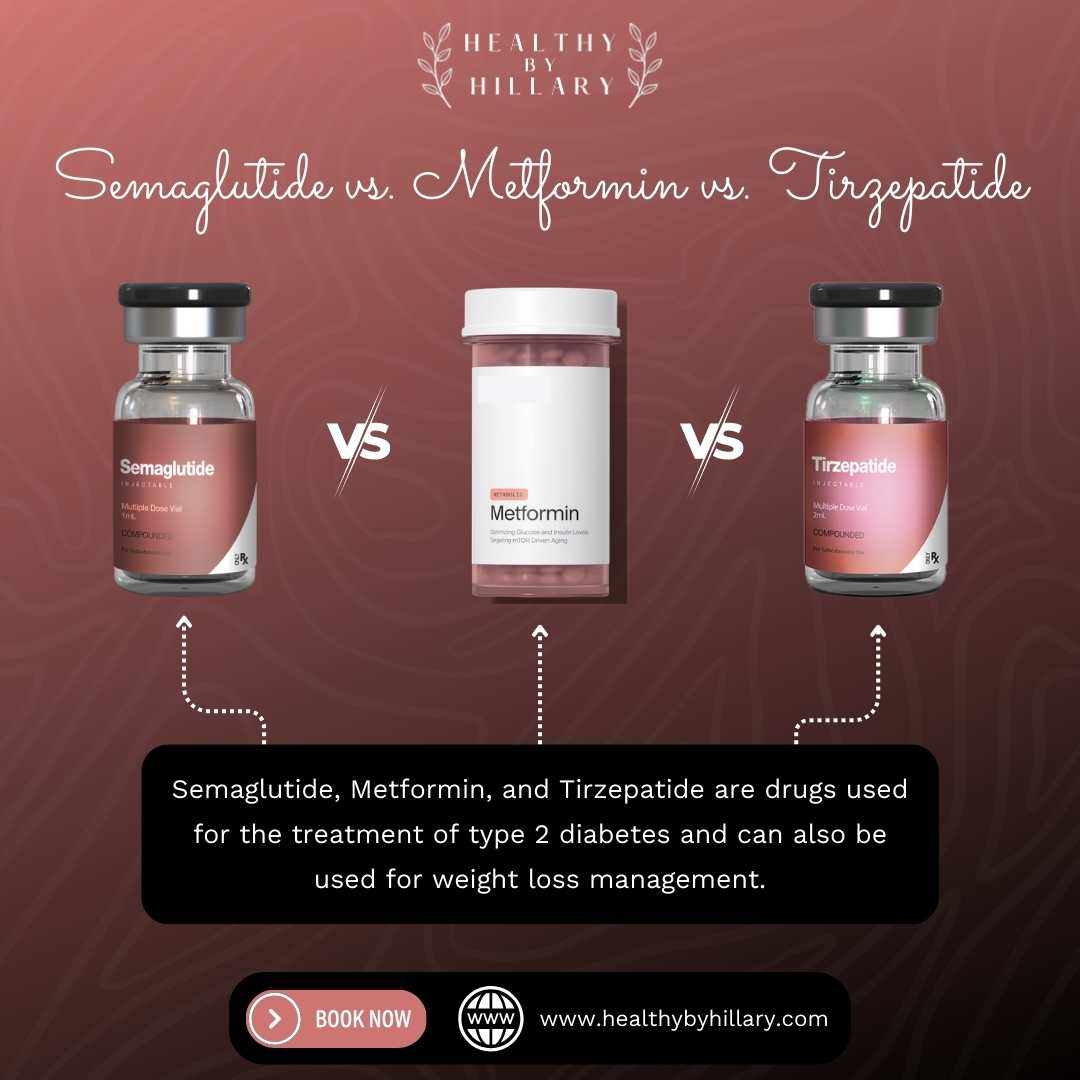
When it comes to managing blood sugar and weight, three medications come up again and again: metformin, semaglutide and tirzepatide. Each works differently, has different strengths and suits different situations.
How Metformin Works
Metformin has been used for decades as a first-line treatment for type 2 diabetes. It lowers glucose production by the liver and improves insulin sensitivity.
- Weight effect: modest, often a few pounds
- Form: daily pill
- Common side effects: stomach upset, diarrhea, which often improve with extended-release forms
- Cost: inexpensive and widely covered
- Also used for: prediabetes and PCOS
How Semaglutide Works
A GLP-1 receptor agonist given weekly by injection (or daily by pill for diabetes).
- Weight effect: about 15 percent average loss at weight management doses
- Blood sugar: strong A1C reduction
- Heart benefit: shown to reduce cardiovascular events in people with heart disease
- Common side effects: nausea, constipation, diarrhea
How Tirzepatide Works
A dual GIP and GLP-1 receptor agonist given weekly by injection.
- Weight effect: about 20 percent average loss at higher doses
- Blood sugar: strong A1C reduction, often greater than semaglutide in studies
- Also approved for: obstructive sleep apnea in adults with obesity
- Common side effects: similar digestive symptoms
How to Choose
- Prediabetes or early diabetes with limited budget: metformin may be a good start
- Significant weight to lose: semaglutide or tirzepatide
- Heart disease: semaglutide has strong outcome data
- Sleep apnea with obesity: tirzepatide is approved
- PCOS: metformin, GLP-1s or both, depending on goals
The CDC provides helpful guidance on healthy weight.
Can They Be Combined?
Metformin is often combined with semaglutide or tirzepatide in people with diabetes. Semaglutide and tirzepatide should not be taken together.
Comparison Questions
Is metformin a weight loss drug?
It may cause modest weight loss but is not approved for weight management.
Which is safest?
All have good safety records when prescribed appropriately.
Which is most affordable?
Metformin is far less expensive.
Side Effect Profiles Compared
Metformin most often causes stomach upset, gas and diarrhea, especially when started at a full dose. Taking it with meals and using the extended-release form usually helps. Long-term use can lower vitamin B12 levels, so periodic testing is wise. Semaglutide and tirzepatide share digestive side effects such as nausea, constipation and diarrhea, mainly during dose increases. Both carry warnings about thyroid C-cell tumors, pancreatitis and gallbladder problems.
Cost and Access
Metformin is generic and inexpensive. Semaglutide and tirzepatide are brand-name medications with higher costs, and insurance coverage varies depending on whether they are prescribed for diabetes or weight management. Manufacturer savings programs may help. Discuss cost openly with your provider so your plan is sustainable.

Lifestyle Still Matters
No medication replaces healthy habits. Meals built around protein, fiber and vegetables, regular activity including strength training, good sleep and stress management improve results with any of these medications. Many people find that medication makes these habits easier to maintain.
Monitoring on Treatment
Regular follow-up includes weight, blood pressure, A1C or fasting glucose, kidney function and side effect checks. Diabetes medications may need adjustment as blood sugar improves to prevent lows.
More Comparison Questions
Can I start with metformin and add a GLP-1 later?
Yes, this is a common approach.
Which has the most side effects?
All can cause digestive symptoms; tolerance varies by person.
Get a Personalized Recommendation
Our team can review your labs and goals to recommend the right medication. Learn more about GLP-1 options or book a consultation.