
Is Hormone Therapy Right for You? Options, Symptoms and Next Steps
Hormones Run More of Your Life Than You Think
Your body makes dozens of hormones that act like chemical text messages. They tell your organs when to burn energy, when to sleep, how to handle stress and how to repair tissue. When the main sex hormones fall out of balance, the effects ripple across nearly every system.
Hormone replacement therapy, often called HRT, restores hormones your body no longer makes in sufficient amounts. It is one of the most studied treatments in medicine. Used thoughtfully, it can relieve symptoms and protect long-term health. Used carelessly, it can carry risk. The details matter.
Clues Your Hormones May Be Off
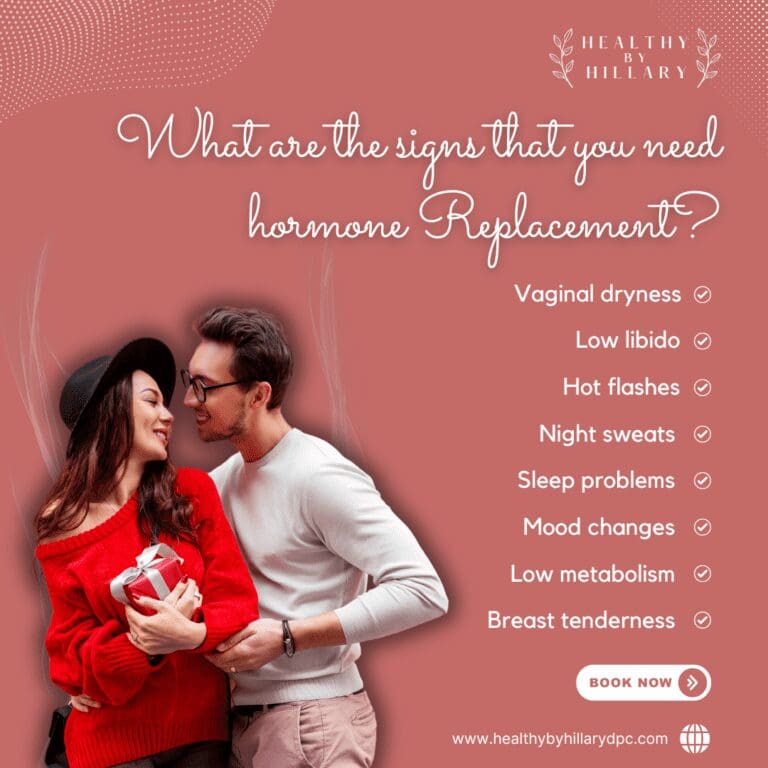
Hormone changes rarely announce themselves clearly. Instead, they show up as a cluster of symptoms that slowly build until daily life feels harder. Pay attention if you notice several of these together:
- Sleep that is broken or unrefreshing
- Sudden waves of heat or night sweats
- Irritability, anxiety or low mood without a clear reason
- Weight gain, especially around the waist
- Thinning hair or dry skin
- Lower interest in sex
- Fatigue that does not improve with rest
- Trouble concentrating or remembering words
- Irregular or heavier periods in women in their 40s
For men, reduced strength, softer erections and a loss of drive can point toward low testosterone.
The Main Types of Hormone Therapy
Estrogen therapy
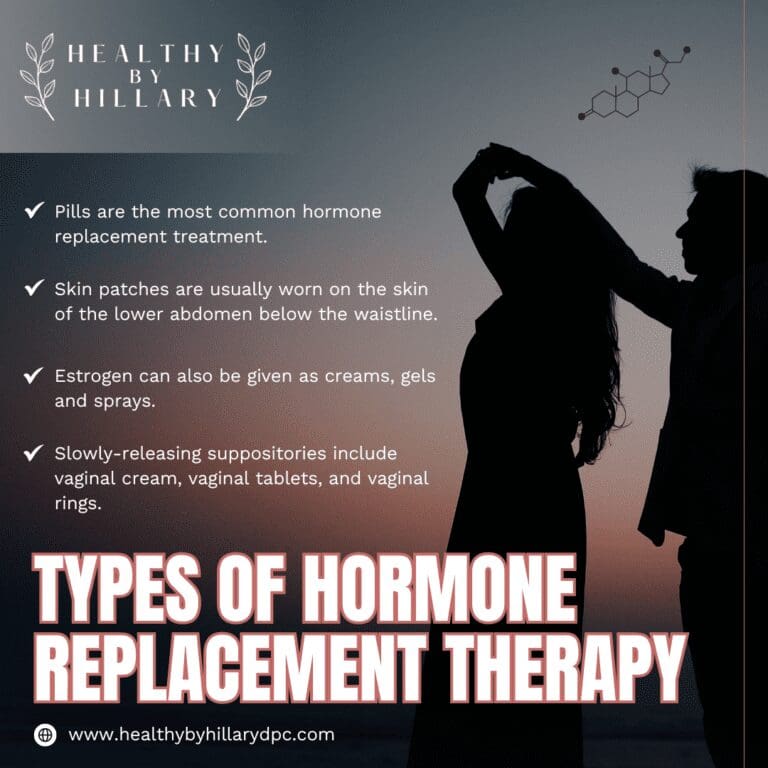
Estrogen is the most effective treatment for hot flashes. Women who have had a hysterectomy can usually take estrogen alone. It comes as pills, skin patches, gels, sprays and rings.

Combined estrogen and progestogen
Women who still have a uterus need a progestogen, often micronized progesterone, alongside estrogen. This protects the uterine lining from overgrowth.
Local vaginal estrogen
Very low doses applied directly to vaginal tissue treat dryness, irritation, painful sex and some urinary symptoms. Very little reaches the bloodstream, so the safety profile is reassuring for most women.
Testosterone therapy
Men with consistently low testosterone and matching symptoms may benefit from gels, injections or pellets. Some women also use low-dose testosterone, usually for low libido after menopause.
Pellet therapy
Small pellets placed under the skin of the hip release a steady dose for several months. Some patients like the convenience. Learn more in our guide to hormone pellet therapy.
Timing Matters
Current guidance suggests that for healthy women under 60, or within ten years of their last period, the benefits of hormone therapy for symptoms usually outweigh the risks. Starting much later, or in women with a history of clots, stroke or certain cancers, calls for more caution and sometimes a non-hormone approach.
That is why a provider looks at your age, time since menopause, family history and personal risk factors before recommending a plan. More detail on the evidence is available in this clinical overview.
What Happens at an Evaluation
A typical hormone evaluation includes three parts.
A conversation. Your provider asks about your symptoms, cycle history, sleep, mood, sexual health, medications and family history.
Testing. Blood work may check estradiol, progesterone, testosterone, FSH, thyroid hormones, vitamin D and a basic metabolic panel. For women in perimenopause, symptoms often matter more than any single lab value, since levels swing from day to day.
A shared decision. You talk through the options, likely benefits, possible risks and how you would like to take the hormone.
What to Expect Once You Start
Hot flashes often ease within two to four weeks. Sleep and mood tend to improve over the first couple of months. Vaginal symptoms may take a bit longer to respond to local therapy. Men on testosterone often feel more energy within weeks, while changes in muscle and body composition take several months.
Mild side effects such as breast tenderness, bloating or spotting are common early and usually settle. Follow-up visits allow your provider to fine-tune the dose.
Keeping Track of How You Feel
A simple symptom diary makes every appointment more productive. For two to four weeks before your visit, jot down hot flashes, night wakings, mood swings, energy levels and cycle changes. Rate each from one to five. After starting treatment, keep the diary going. Seeing the numbers shift over time helps you and your provider decide whether the dose is right, and it reminds you how far you have come on harder days.
Alternatives If Hormones Are Not for You
Some people cannot or prefer not to take hormones. Non-hormone medications, cognitive behavioral therapy for sleep and hot flashes, regular exercise, weight management and limiting alcohol can all help. A newer non-hormone prescription option targets the brain pathway that triggers hot flashes. Your provider can walk you through these choices.
Frequently Asked Questions
Can I start hormone therapy if I still have periods?
Yes. Many women in perimenopause benefit from treatment while still cycling. Low-dose options, cyclic progesterone or a hormonal IUD combined with estrogen are common approaches. Your provider tailors the plan to your bleeding pattern.
Does hormone therapy cause weight gain?
Studies have not shown that standard hormone therapy causes weight gain. Weight changes during midlife are more often tied to falling estrogen, muscle loss, stress and sleep problems. Some women find that better sleep on therapy actually makes weight easier to manage.
How do I stop hormone therapy when I am ready?
Some people stop all at once, while others taper slowly over several months. Symptoms can return for a while either way. Planning the timing with your provider helps you choose the approach that suits you.
Is hormone therapy safe if breast cancer runs in my family?
A family history does not automatically rule out treatment, but it does call for a careful conversation. Your provider will weigh your personal risk, may suggest earlier screening, and may favor vaginal therapy or non-hormone options.
Talk to Our Hormone Team
If your symptoms sound familiar, you do not have to tough it out. Our clinic offers testing and personalized bioidentical hormone therapy for women and men. Request an appointment and get a plan built around your body.